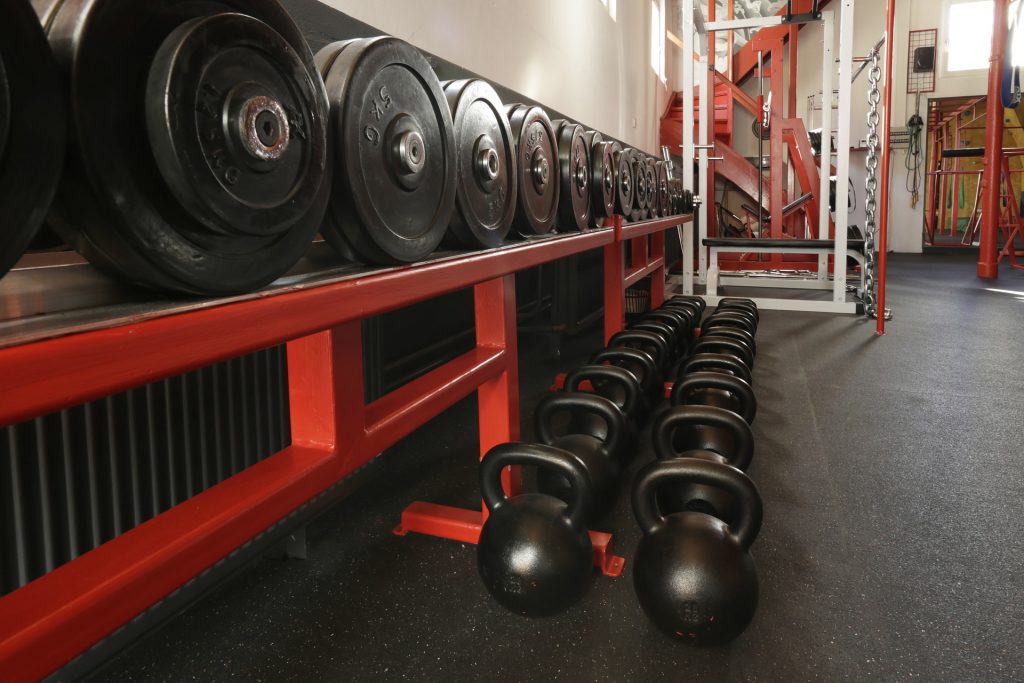
Owning your home gym has its advantages and disadvantages. Such a gym can enrich your life: you get to exercise in your own place, which is very convenient, and the investment can indeed pay off. However, you need to make various considerations before settling on a home gym. Below are the real pros and cons, plus a quick checklist to decide if a home gym is right for you.
The Pros of Owning a Home Gym
The following pros are involved with owning a home gym.
- Work Out At Any Time
You can exercise at any time when you have a home gym. Whenever you want to exercise, no one and nothing is stopping you. You just head to your gym and start working out immediately. You don’t have to worry that the gym is closing soon or that it is not yet open. - No Travel Time
A home gym is convenient when it comes to saving time. You do not have to travel to your gym or go to a gym after work. You can just access your gym within your own house, and you do not have to worry about traffic jams before you get to the gym. - Never Wait For Equipment
Having your gym means that you do not have to wait for equipment that someone else is using. Equipment is readily available for you to use. Unlike in commercial gyms where most pieces of equipment are occupied during mornings and evenings, a home gym does not have such challenges. - Variety Of Workouts
You can build your home gym to suit your needs. Commercial gyms may at times not have the right equipment that you need for your workouts. A home gym can be tailored with pieces of equipment that help you achieve your desired workouts, whether that is CrossFit-style conditioning or heavy lifting. - It Is Your Space
Your home gym is your own. You can customize this space in any way that you want — your cardio equipment, the type of barbell and even the music. This ensures that you get the best experience out of your home gym and the freedom to do whatever pleases you. - No Distractions
There are lots of distractions involved in commercial gyms. This is not the case for a home gym. You can fully concentrate on your exercises and you do not waste time waiting around or socializing. Fewer distractions ensure that you focus on working out. - Saves You Money
The initial investment may be costly. However, as time passes, a home gym saves you money. You do not have to pay membership fees monthly, quarterly or yearly. You also save the money that you would have used to commute to the gym. - Wear What You Want
A home gym gives you freedom. You get to wear whatever you want, unlike in a commercial gym. Old T-shirt, no shoes for deadlifts, your favorite shorts — nobody is judging.
The Cons of Owning a Home Gym
Some cons are involved when it comes to home gyms. They include:
- Equipment Is Expensive
This is the biggest hurdle involved in home gyms. Buying workout equipment for your home gym can be costly. You can buy the fundamental pieces of equipment first and then gradually continue adding other items. Used equipment can also offer good service — see our guide to building a home gym on a budget. - Social Interactions
Working out at home may not provide interactions with people. You may find yourself alone for a long time. At times, working out with people is enjoyable and keeps you motivated to push yourself. - Space
Creating a home gym requires space. If you do not have ample space, you may find it hard to set up a home gym, and it may be impossible to install some equipment, such as a power rack, in small rooms or under low ceilings. - Required Discipline
Discipline is required when you have a home gym. You need to push yourself to work out, otherwise it becomes difficult. Distractions within your house such as sleep, TV and house chores may make working out hard.
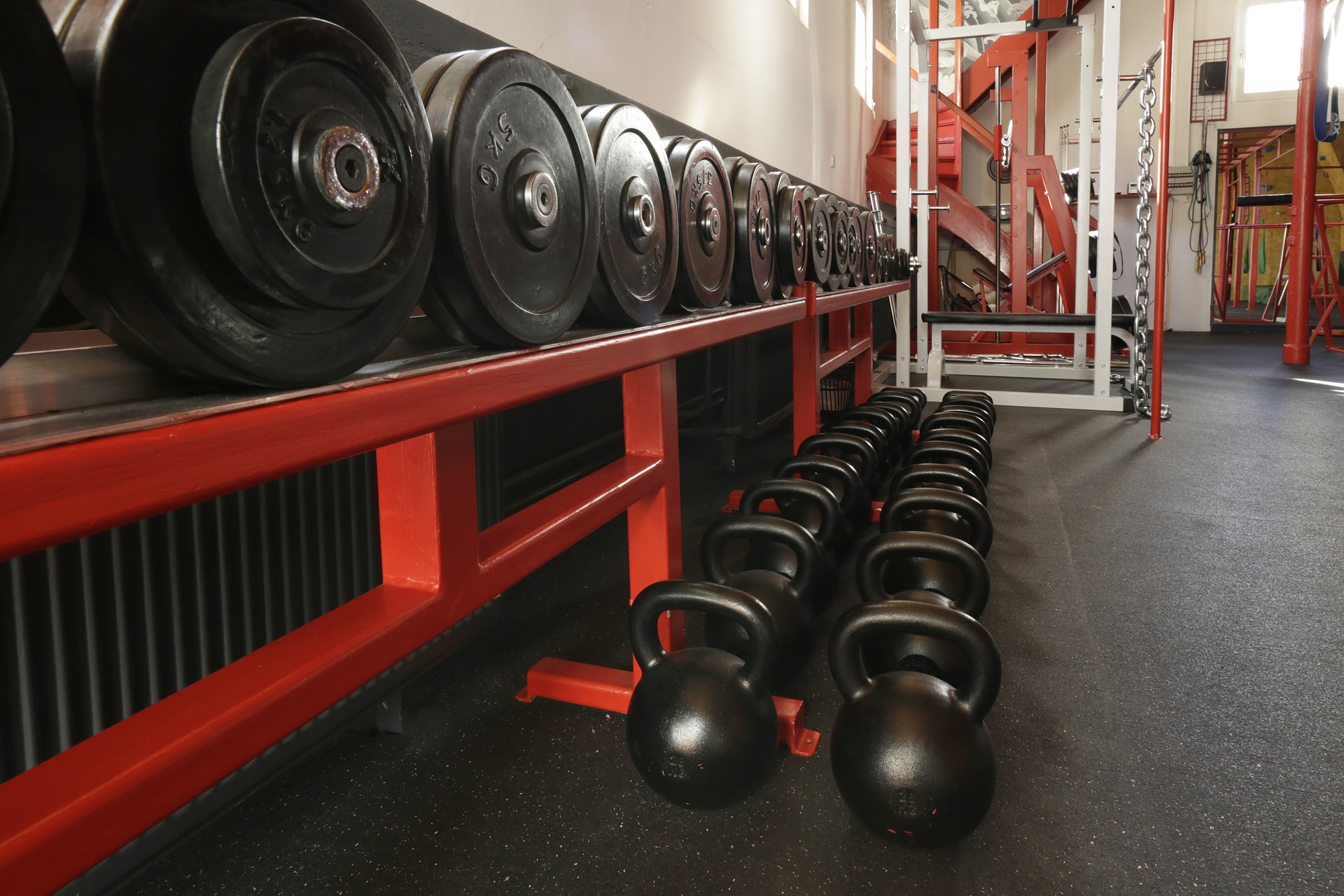
Home Gym vs Commercial Gym at a Glance
| Factor | Home gym | Commercial gym |
|---|---|---|
| Availability | 24/7, no queues | Opening hours, busy at peak times |
| Upfront cost | $300–$2,500+ depending on setup | Joining fee, low upfront cost |
| Ongoing cost | Almost none | Monthly membership plus travel |
| Equipment variety | Only what you buy | Wide range of machines |
| Social & coaching | Online coaching or training partners | Classes, trainers, community |
| Space needed | A spare room, garage or corner | None at home |
How to Overcome the Cons
- Cost: start with versatile basics — adjustable dumbbells, a bench and resistance bands — and expand over time.
- Space: choose foldable racks, wall-mounted storage and adjustable equipment that does the job of several items.
- Motivation: schedule workouts like meetings, follow a written program and track every session.
- Social contact: train with a partner a couple of times per week or work with an online coach for accountability.
Watch: Pros and Cons of Working Out at Home
Check out this video for more in-depth advantages and disadvantages of working out at home:
The Verdict: Is a Home Gym Worth It?
You can reap many benefits from a home gym. Setting up a home gym may be expensive for a start, but in the long run you can save money that you would otherwise have paid to a commercial gym. Having a home gym is a great idea — you just need to be disciplined to attain success with it. If you are ready to start, read our list of 10 essential items to have in a home gym and follow the beginner full-body home workout plan.
Plan your home gym the right way
Get a layout plan and a shopping list for your exact space and budget.
Frequently Asked Questions
Is a home gym cheaper than a gym membership?
Usually, yes, over time. A basic setup of $300–$1,000 often costs about the same as one to two years of membership and commuting, and the equipment keeps its value if you buy quality or used gear.
How much space do I need for a home gym?
A space of roughly 6 × 8 ft (1.8 × 2.4 m) is enough for dumbbells, a bench and bands. A power rack with a barbell needs closer to 8 × 10 ft (2.4 × 3 m) and enough ceiling height for overhead pressing.
How do I stay motivated working out at home?
Follow a written program, train at fixed times, log your workouts and set short-term goals. Many people also use an online coach or a training partner for accountability.
Can I build muscle with a home gym?
Yes. Muscle growth depends on progressive overload, enough volume, protein and recovery — not on where you train. Adjustable dumbbells, a bench and a pull-up bar are enough to make excellent progress.