You do not need a garage full of shiny machines to get strong at home. A well-planned home gym on a budget can cover almost every training goal for less than a couple of years of gym membership. The trick is to buy in the right order, measure before you spend, and put your money into the few pieces that do most of the work. This step-by-step guide shows you exactly how.
Step 1: Define Your Training Goals
Every good budget build starts with one question: what do you want this gym to do for you? Equipment that is perfect for one goal can be dead weight for another.
Common goals and what they need
- General fitness and health: Adjustable dumbbells, a bench, resistance bands, and a mat cover nearly everything. Aim for the widely recommended 150–300 minutes of moderate activity per week plus two or more strength sessions.
- Building muscle: You need enough load to train close to failure. Adjustable dumbbells that go to at least 50 lb (23 kg) per hand, a sturdy adjustable bench, and a way to do pull-ups.
- Maximal strength: A barbell, plates, and a squat rack or stands with safeties. Nothing else builds squat, bench, and deadlift numbers as efficiently.
- Conditioning and fat loss: A kettlebell or two, a jump rope, and maybe a rower or bike. Pair this with our guide to HIIT and cardio workouts at home.
Write your goal down, along with how many days per week you plan to train and who else will use the space.
Step 2: Measure Your Space Properly
Measuring is the cheapest step and the one most often skipped. A rack is wasted money if your ceiling blocks overhead presses or pull-ups.
Ceiling height
Stand flat-footed, raise both arms straight overhead, and have someone measure from the floor to your fingertips. Add about 4 in (10 cm) for the barbell or dumbbells and another inch or two for a standing platform or mat. For most adults between 5 ft 6 in and 6 ft 2 in, that lands between 7 ft 4 in and 8 ft 4 in (2.2–2.5 m).
- Standing overhead press: Fingertip reach plus 4–6 in (10–15 cm). If you are short on clearance, press seated or use a landmine press.
- Pull-ups: You need room for your head to clear the bar, so plan on your standing height plus about 12–16 in (30–40 cm) above the bar.
- Racks: Full power racks are commonly 80–92 in (203–234 cm) tall. Short "garage" or "basement" versions around 72–80 in (183–203 cm) exist for low ceilings.
Floor footprint
Measure the length and width of the usable floor, not the room. Subtract space taken by doors, water heaters, and anything you cannot move. Then use these working dimensions as a guide:
| Equipment | Typical footprint | Working space needed |
|---|---|---|
| Yoga or exercise mat | 2 x 6 ft (0.6 x 1.8 m) | 4 x 7 ft (1.2 x 2.1 m) |
| Adjustable bench | 2 x 4.5 ft (0.6 x 1.4 m) | 5 x 7 ft (1.5 x 2.1 m) |
| Squat stands | 4 x 4 ft (1.2 x 1.2 m) | 8 x 8 ft (2.4 x 2.4 m) |
| Power rack | 4 x 4–5 ft (1.2 x 1.2–1.5 m) | 8 x 10 ft (2.4 x 3 m) |
| Olympic barbell (7 ft / 2.2 m) | 7.2 ft long | At least 1.5–2 ft (45–60 cm) clear each side |
| Rowing machine | 2 x 8 ft (0.6 x 2.4 m) | 4 x 10 ft (1.2 x 3 m) |
A barbell setup fits comfortably in 10 x 10 ft (3 x 3 m); a dumbbell-only gym can work in 6 x 8 ft (1.8 x 2.4 m). Mark the outline with painter's tape and walk through your main exercises before ordering.
Step 3: Choose the Right Flooring
Flooring protects your floor, your equipment, and your joints, and it reduces noise for everyone else in the house.
Horse-stall mats: the best-value option
Rubber horse-stall mats sold at farm supply stores are the go-to choice for budget home gyms. They are usually 4 x 6 ft (1.2 x 1.8 m), 3/4 in (19 mm) thick, and cost roughly $45–$70 each. Two mats cover a 6 x 8 ft area, which is enough for a full lifting platform. Each weighs close to 100 lb (45 kg), and new mats smell of rubber for a few weeks, so air them out first.
Other flooring choices
| Flooring | Approx. cost per sq ft | Best for | Watch out for |
|---|---|---|---|
| Horse-stall mats (3/4 in) | $1.90–$2.90 | Barbell lifting, heavy dumbbells | Heavy, strong smell at first |
| EVA foam puzzle tiles | $0.80–$1.50 | Bodyweight, yoga, light dumbbells | Dents under racks, poor for dropped weights |
| Rolled rubber (1/4–3/8 in) | $2–$4 | Clean look, cardio areas | Thin rolls offer little drop protection |
| Interlocking rubber tiles | $3–$6 | Finished basements, rentals | Higher price per square foot |
If you train in an upstairs room or apartment, layer a sheet of 3/4 in plywood between two layers of rubber to spread the load and dampen noise. Avoid dropping deadlifts on any floor that is not a concrete slab.
Step 4: Pick Your Budget Tier
Prices below are typical ranges for new, entry-level to mid-range equipment in the US. Used prices can be considerably lower. Treat each tier as a template you can adjust rather than a fixed list.
The $300 starter gym
Ideal for beginners, small apartments, and anyone testing the habit before committing more money.
| Item | Approx. price | Why it matters |
|---|---|---|
| Set of loop resistance bands (light to heavy) | $25–$45 | Rows, presses, assisted pull-ups, warm-ups |
| One kettlebell, 26–35 lb (12–16 kg) | $45–$75 | Swings, goblet squats, carries, presses |
| Doorway pull-up bar | $25–$40 | The best upper-back builder per dollar |
| Used pair of dumbbells or spin-lock handles with plates | $60–$100 | Unilateral work and pressing |
| Exercise mat or two foam tiles | $20–$35 | Floor work and comfort |
| Jump rope | $10–$20 | Cheap, compact conditioning |
The $1,000 all-rounder
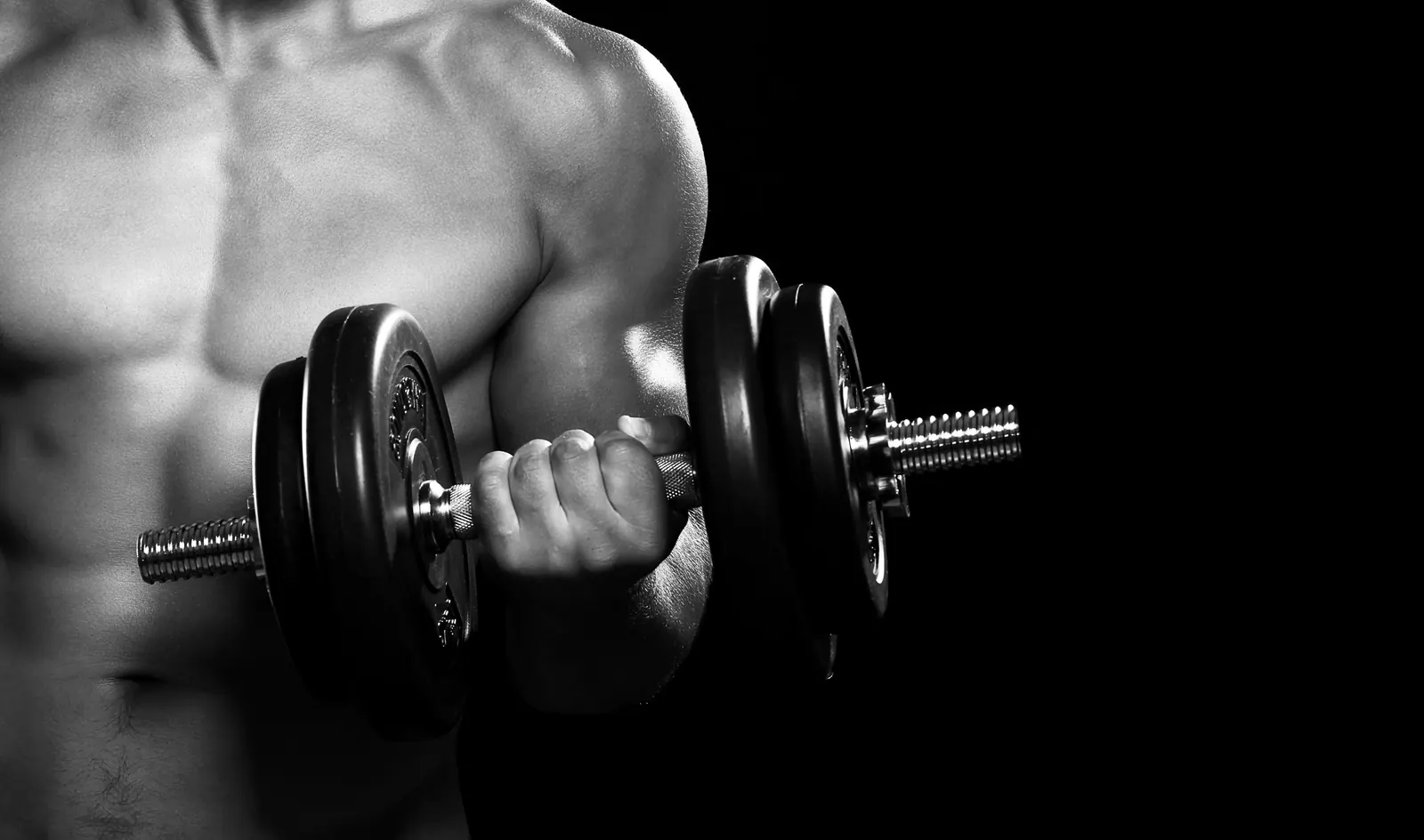
This is the sweet spot for most people. Adjustable dumbbells and a good bench unlock hundreds of exercises and enough load to keep progressing for a long time.
| Item | Approx. price | Why it matters |
|---|---|---|
| Adjustable dumbbells to 50–52.5 lb (23–24 kg) each | $300–$450 | Replaces 15 or more fixed pairs in a tiny footprint |
| Flat-incline-decline adjustable bench | $150–$250 | Presses, rows, step-ups, split squats |
| Kettlebells, 35 lb and 53 lb (16 and 24 kg) | $120–$180 | Swings, carries, heavier goblet squats |
| Resistance band set plus pull-up assist bands | $40–$70 | Warm-ups, assistance, travel |
| Wall-mounted or doorway pull-up bar | $40–$100 | More stable than doorway models |
| Two horse-stall mats | $90–$140 | Protects the floor under the main area |
The $2,500 barbell gym
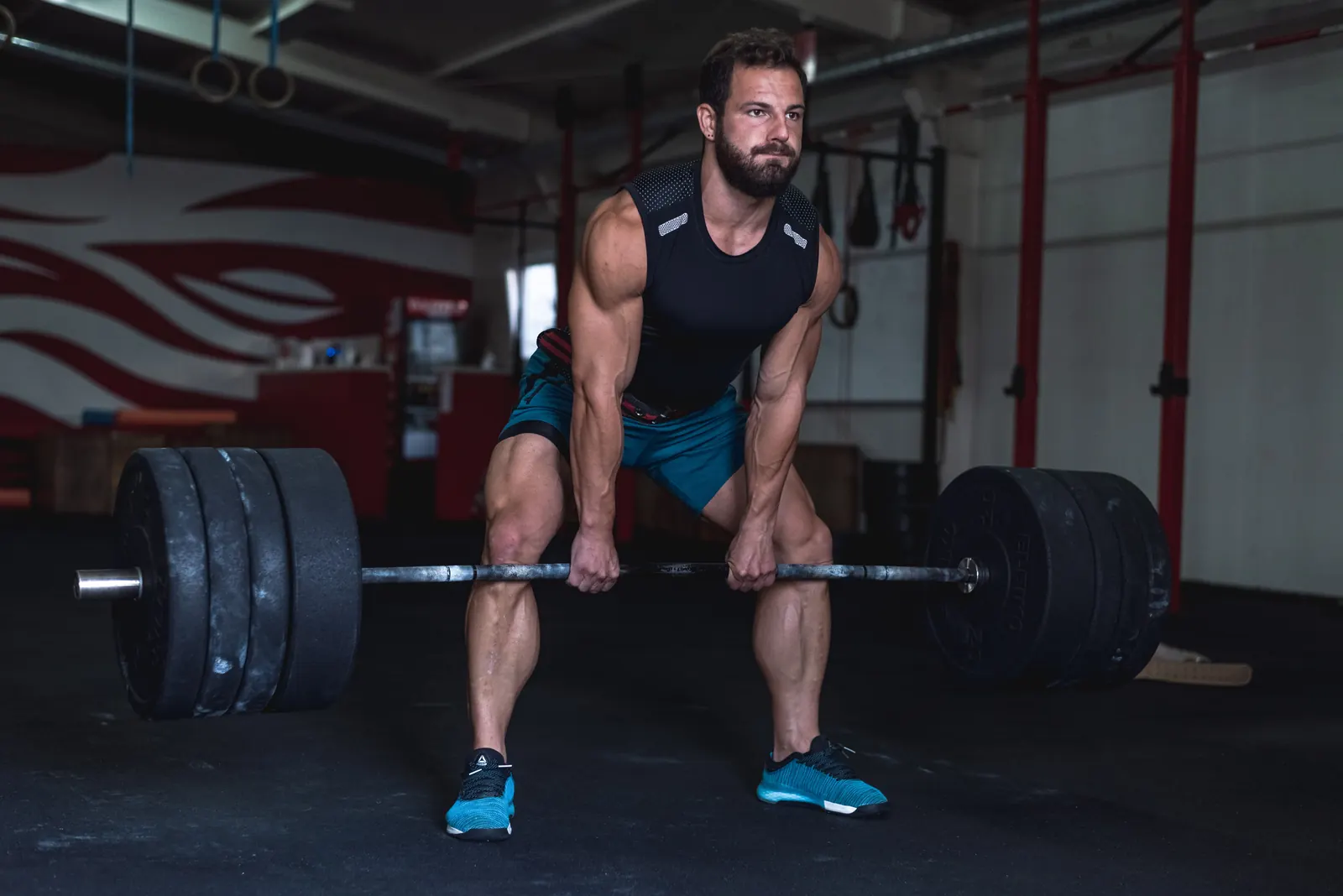
If maximal strength is your goal, this tier builds around a rack and barbell, and can last for decades.
| Item | Approx. price | Why it matters |
|---|---|---|
| Power rack with pull-up bar and safeties | $450–$800 | Safe solo squatting and benching |
| 20 kg (45 lb) Olympic barbell | $200–$350 | The core of all big lifts |
| Bumper or iron plates, about 260–300 lb (120–135 kg) | $450–$700 | Enough load for years of progress |
| Adjustable bench rated to 600 lb (270 kg) or more | $200–$350 | Sturdy enough for heavy pressing |
| Adjustable dumbbells to 50–70 lb (23–32 kg) | $300–$450 | Accessories and unilateral work |
| Flooring: four horse-stall mats | $180–$280 | Full 8 x 12 ft platform area |
| Bands, collars, chalk, storage | $80–$150 | Small items that make sessions smoother |
Not sure which pieces belong on your list? Our roundup of the 10 essential items to have in a home gym explains each one in more detail.
Step 5: Buy New or Used? How to Inspect Second-Hand Gear
Strength equipment is one of the best categories to buy used. Iron does not wear out, and many people sell nearly new gear after a few months. Check local marketplace listings, garage sales, and gym liquidation sales. A fair used price for plain iron plates is often $0.50–$1.00 per lb, compared with $1.50–$3.00 per lb new.
Buy new when
- You want a warranty on moving parts, such as adjustable dumbbells, cardio machines, or cable attachments.
- The item is a safety component, such as a rack's safety arms or a bench that will hold heavy loads.
Buy used when
- The item is simple metal or rubber: plates, fixed dumbbells, kettlebells, barbells, and basic racks.
- You can inspect it in person and test it before you pay.
Used equipment inspection checklist
- Racks and stands: check every weld for cracks, look for bends in uprights, and confirm J-hooks and safeties are included and fit properly.
- Barbells: roll the bar on a flat floor to spot bends, spin each sleeve to make sure it rotates freely, and check the knurling for heavy rust.
- Plates: look for cracks in cast iron, chunks missing from bumpers, and confirm the center hole fits a 2 in (50 mm) Olympic sleeve.
- Benches: sit and lie on the bench, adjust every position, and wiggle it to check for wobble at the pins and frame joints.
- Adjustable dumbbells: run through every weight setting and make sure the selector locks firmly with no rattling plates.
- Cardio machines and cables: listen for grinding, check belts and cables for fraying, and ask how old the machine is.
- Bring a tape measure and a luggage scale to check dimensions and plate weights.
Step 6: Follow a Smart Buying Order
You do not have to buy everything at once. Spreading purchases over a few months lets you learn what you actually use and catch good used deals. This order gives the most value at each step:
- Adjustable or a few fixed dumbbells. They cover squats, hinges, presses, and rows on day one.
- A bench. This roughly doubles your exercise options and lets you load presses and rows more heavily.
- A pull-up option. Doorway, wall-mounted, or rack-mounted. Back training is hard to replicate any other way.
- Flooring for the main lifting area, especially before you go heavy.
- Kettlebell for swings and conditioning.
- Rack, barbell, and plates once your dumbbells feel light for lower-body work.
- Extras: cardio equipment, cable attachments, specialty bars, and accessories.
Rule of thumb: buy the item that unlocks the most new exercises for the least money and space, then train with it for at least a month before buying the next thing.
If you are still deciding whether home training is right for you at all, our article on the pros and cons of owning a home gym walks through the trade-offs.
Want a layout and shopping list built for your space?
Our Home Gym Design Consultation gives you a 60-minute video call, a layout plan, and a prioritized shopping list for your exact budget.
Step 7: Plan Storage and Layout
A tidy gym is a safer gym. Plan your layout around the movement that takes the most space, usually the barbell.
Layout principles
- Put the rack against a wall, ideally centered so the barbell has clear space on both sides for loading plates.
- Keep a clear zone behind the rack of at least 3 ft (90 cm) so you can step back safely with a loaded bar.
- Place heavy items near the floor and close to where you use them. Plates should live within a step or two of the bar.
- Leave an open floor zone about 6 x 6 ft (1.8 x 1.8 m) for warm-ups, kettlebell swings, stretching, and bodyweight work.
Budget storage ideas
- Wall-mounted plate pegs or vertical plate trees ($30–$80) keep plates off the floor.
- A simple two-tier dumbbell rack ($60–$120) or a low shelf for adjustable dumbbells.
- Pegboard or hooks ($15–$40) for bands, jump ropes, belts, and collars.
- Vertical bar holders or wall gun racks for storing barbells safely.
Common Mistakes to Avoid
Most budget gym regrets come from the same handful of mistakes.
- Buying all-in-one machines first. Many cheap multi-gyms take up a lot of space, have low weight stacks, and are hard to resell. Free weights are more versatile and hold their value.
- Going too light on dumbbells. Many beginners outgrow 25 lb (11 kg) dumbbells for lower-body work within weeks. If you buy adjustable, aim for at least 50 lb (23 kg) per hand.
- Buying the cheapest bench. A wobbly bench makes pressing feel unsafe and limits how hard you can train. It is worth spending a little more here.
- Ignoring flooring. Cracked tiles and dented hardwood cost far more to repair than a couple of rubber mats.
- Collecting gadgets instead of training. Equipment does not build fitness; consistent training does. Follow a structured plan like our beginner full-body home workout plan and buy new gear only when your program calls for it.
Frequently Asked Questions
What is the minimum budget for a useful home gym?
Around $150–$300 is enough for a genuinely useful setup: a set of resistance bands, one kettlebell, a doorway pull-up bar, and a mat. With bodyweight progressions, that can keep a beginner progressing for several months before heavier equipment is needed.
Are adjustable dumbbells worth the money?
For most home gyms, yes. One pair that adjusts from about 5 to 50 lb (2–23 kg) replaces many fixed pairs and fits in a space about the size of a small suitcase. The main trade-offs are a slower weight change and less durability if you drop them, so always set them down gently.
How much space do I need for a squat rack?
Plan on roughly 8 x 10 ft (2.4 x 3 m) of floor space for a power rack, a barbell, and room to load plates and step back. Check your ceiling too: most full-height racks need 7 ft 6 in to 8 ft (2.3–2.4 m) of clearance, although shorter models are available.
Can I put a home gym in an apartment?
Yes, if you focus on dumbbells, kettlebells, bands, and a bench, and use thick rubber flooring with plywood underneath to reduce noise. Avoid dropping weights, skip barbell deadlifts unless you are on a ground floor slab, and check your lease or building rules first.
Should I buy a cardio machine for my budget gym?
Only if you know you will use it and it suits your goals. A jump rope, kettlebell swings, and bodyweight circuits deliver excellent conditioning for a fraction of the price and space. If you do want a machine, a used rower or air bike is often the best value.
Alex designs AWSA's strength programs and equipment guides. He has spent more than a decade coaching beginners and busy professionals to train safely with whatever equipment fits their home.